
2023: Goodbye to Google, when a chat box replaced search
Origins · 2023 · ChatGPT
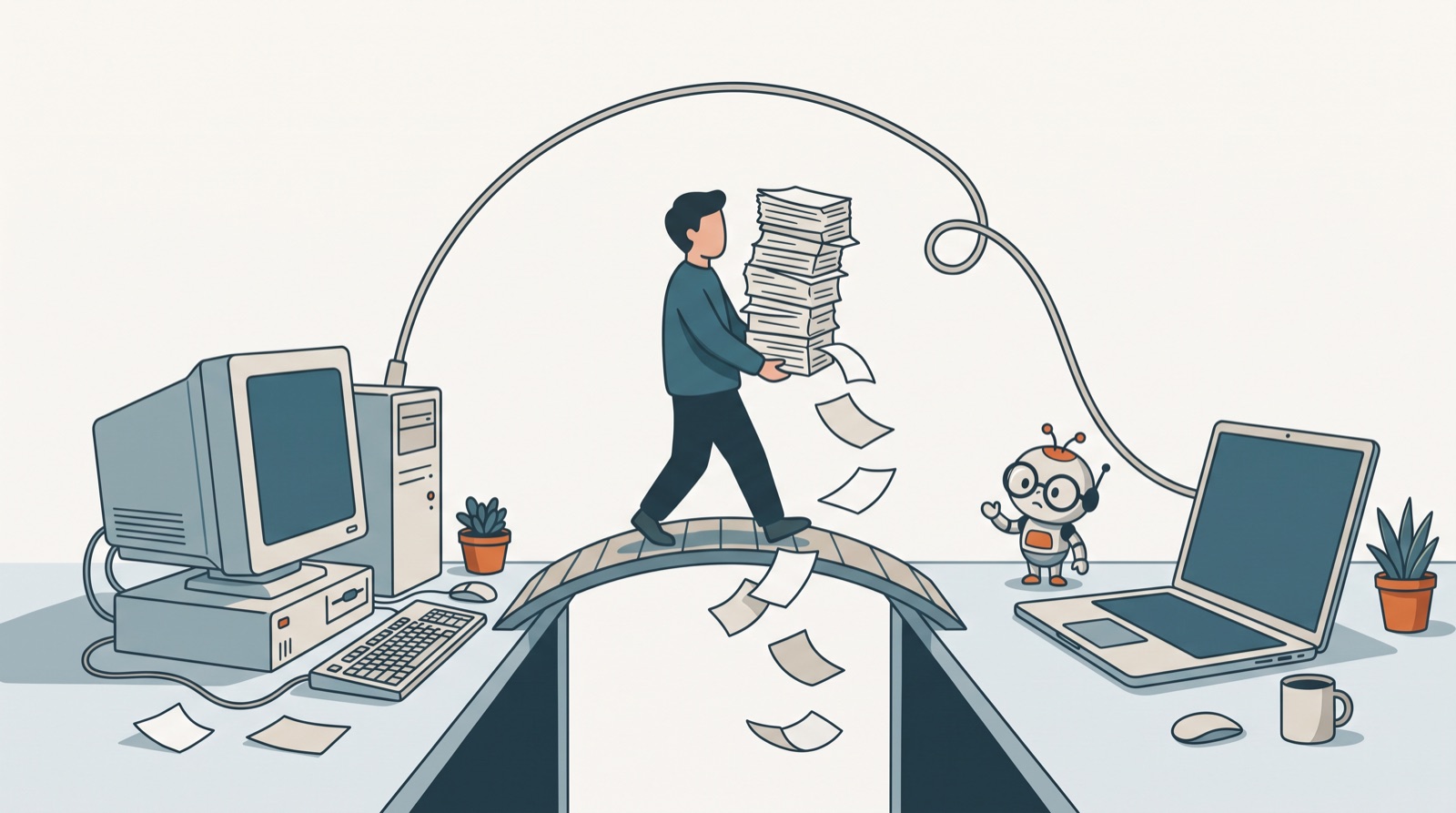
For most of my working life, the first move on any problem was a search box. Type the question, open six tabs, stitch an answer together from forum posts and documentation, and try it. That’s how I learned nearly everything I know about building software.
It started on a print production floor. I coordinated jobs and quoted them, and I dreamed of getting into sales. Somehow I ended up building software systems instead. I didn’t know how to write HTML, so I found Dreamweaver, a layer that made HTML understandable enough to get something on a screen. Then came WordPress. Then FileMaker, which has been the core of my work since 2011. Every step was a tool that lowered the wall between an idea and something that actually worked.
Sometime in 2023 a chat box joined that list, and it slowly took over the search box’s job.
The chats I can’t find
When I started this series, I asked every AI account I use to reconstruct my history with it. All of them came back with the same answer: nothing before March 2024. By then I was already telling people I’d been using AI for about a year. The first conversations, the first prompts, the first time it got something badly wrong: none of it survived.
That’s the first lesson of this series, and it costs nothing to apply. If you’re starting now, keep a record. Save the prompts that worked. Write down the answer that surprised you, and the one that was confidently wrong. A year from now you’ll want them, and the tools won’t have kept them for you.
What did survive
What I do have is the shape of the change.
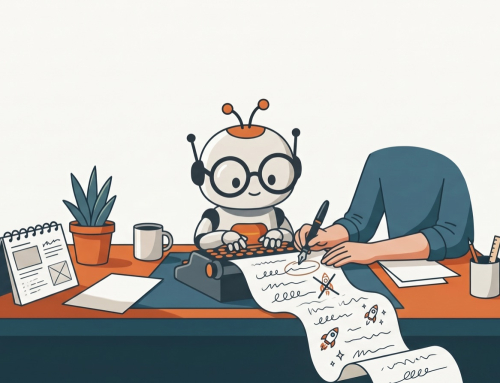
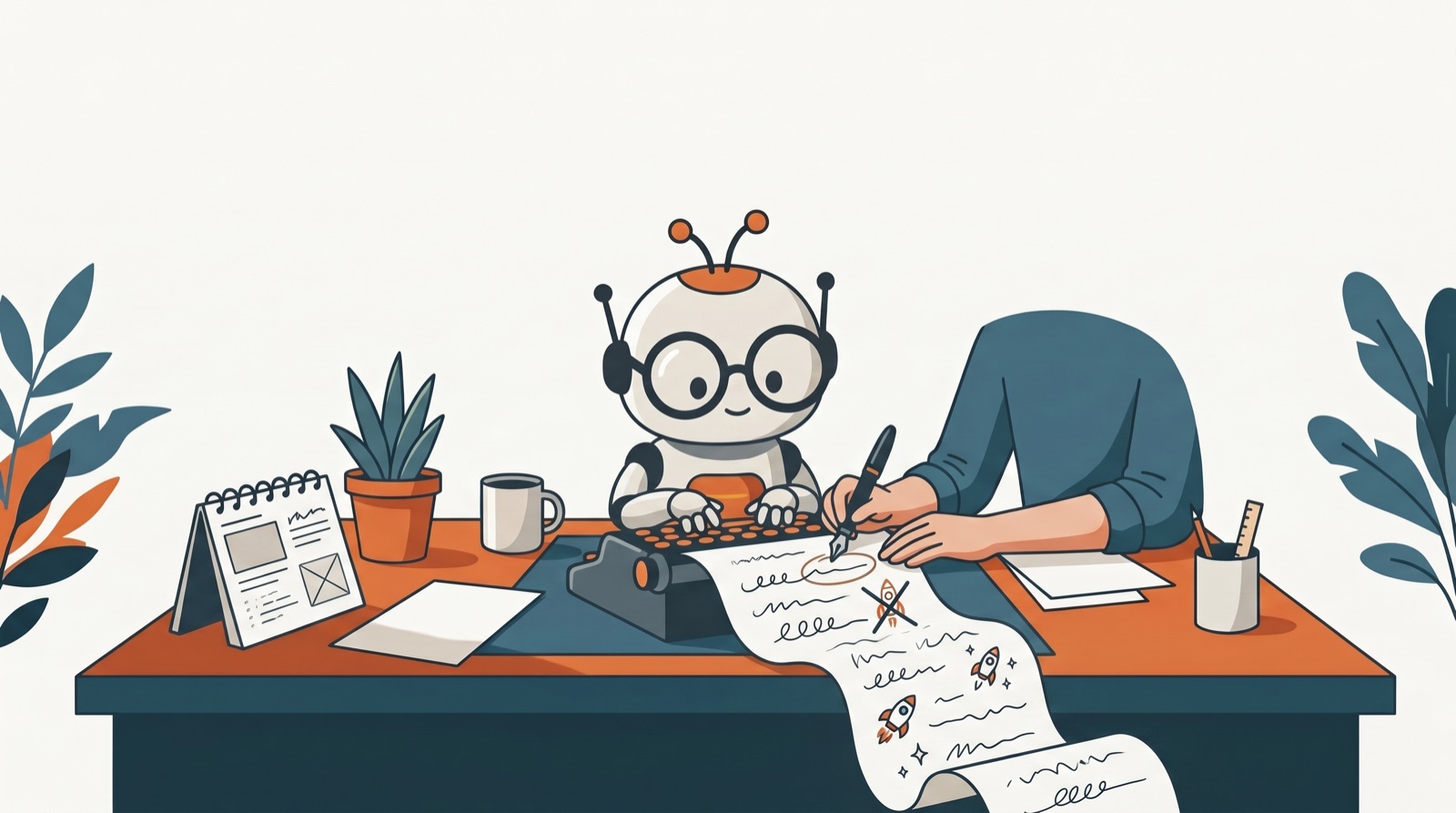
By early 2024 the shift was big enough that I wrote a short poem about it, called “Goodbye to Google…Hello to AI”. The title says most of it. Search had been a librarian: it pointed at sources and left the assembling to me. The chat box did the assembling. It explained, rewrote, suggested and argued back. It was fast and fluent, and sometimes wrong in a way search never was, because a wrong search result at least looks like a wrong search result.
And I have the habits. They show up in every chat history from 2024 on, which means they formed before that:
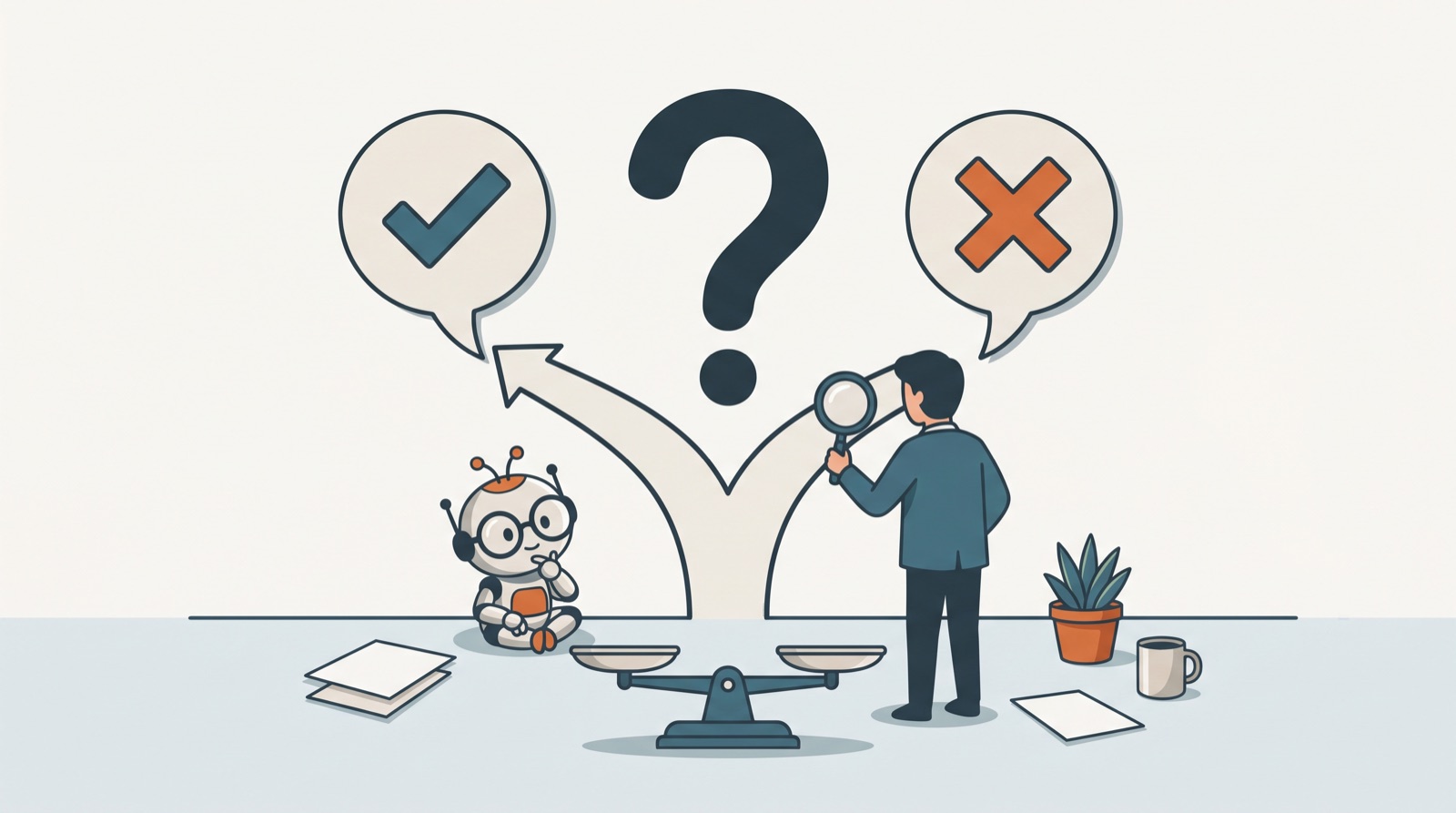
- The first answer is a draft. Ask again, push back, ask what it’s unsure about.
- Context changes everything. The same question with two sentences of background gets a completely different answer.
- Check what matters. Anything that ends up in front of a client, in a quote or in a database gets verified.
What stuck
The part of 2023 that lasted wasn’t a tool or a trick. It was a change in the first move. A problem used to start with a search and end with me assembling the answer. It started to look more like a conversation that I had to steer, with me still responsible for what came out the other end.
That responsibility never moved. What moved was the bottleneck. At the start, the question was whether it could do the thing at all. Every post in this series is a later version of that question: can I prompt it well, can I fit the result into real software, can I move code without breaking it, and finally, can I describe and check the right system.
If you’re starting here today
- Keep a log from day one. Prompts that worked, answers that didn’t. Future you will thank you.
- Test it on something you know cold. Ask about your own trade, your own software, your own process. You’ll see quickly where it’s strong and where it bluffs.
- Give it what you’d give a new colleague. Who it’s for, what good looks like, what to avoid, and the real example you’re working from.
- Keep going past the first reply. “Shorter.” “Less formal.” “What would go wrong with this?” Most of the value is in the follow-ups.
Next: 2024: The year AI wrote 33 posts a month
Back to AI Journey Chronicles