
2024: The year AI wrote 33 posts a month
Origins · 2024 · ChatGPT (GPT-4), Stable Diffusion, RunwayML, DALL·E
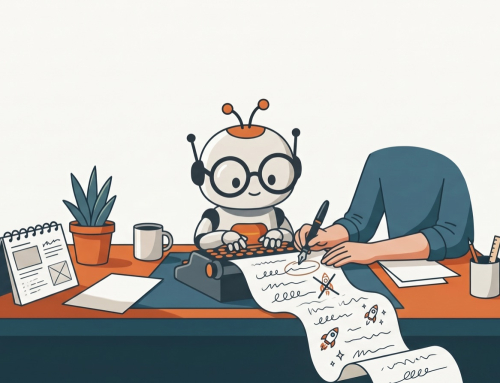
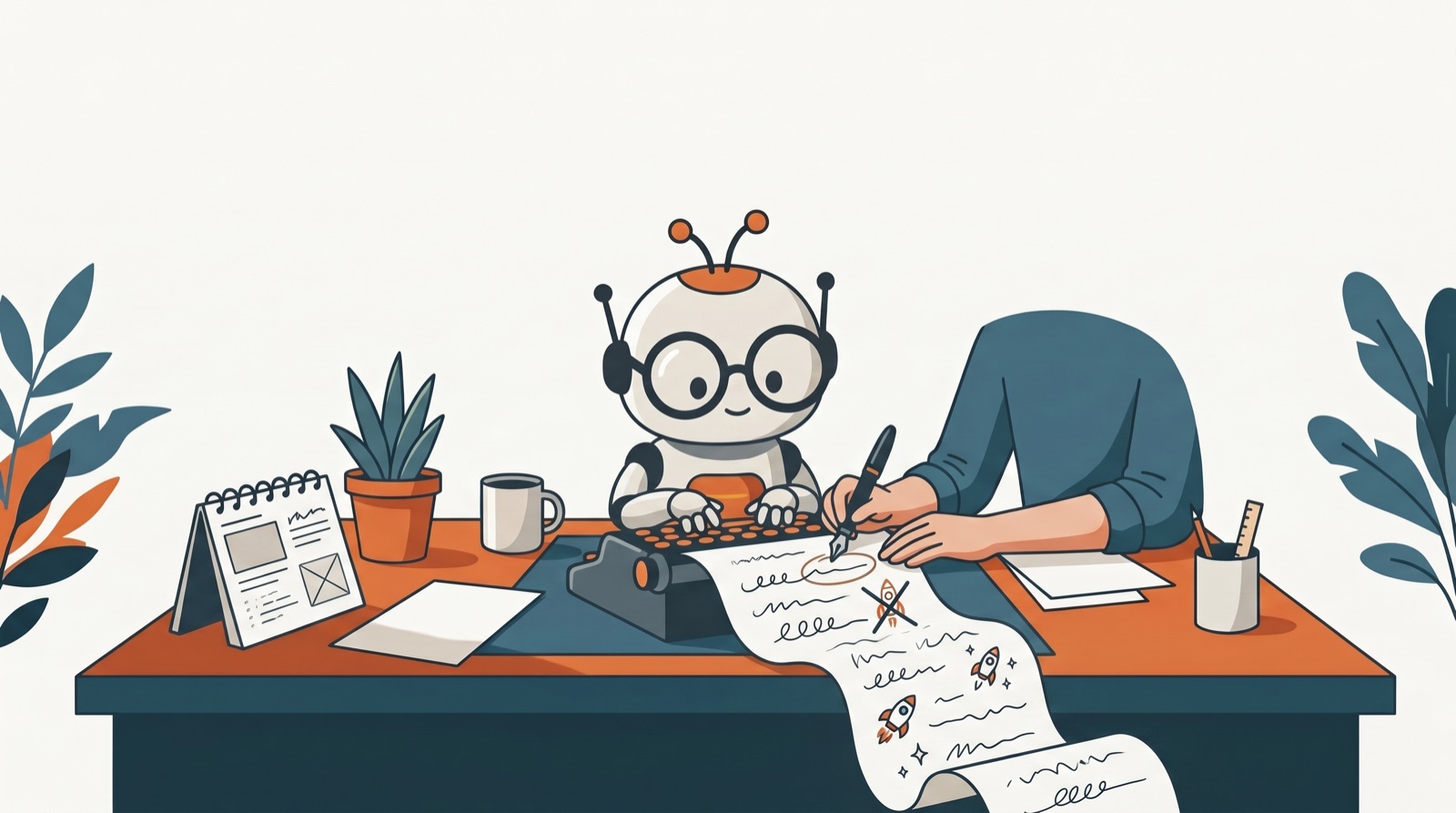
In February 2024 I published more than 33 social posts in a single month. I had never come close to that before, and I haven’t tried to since. GPT-4 had arrived in my routine, and for a few months the main thing I did with AI was make things: posts, images, characters, short animations, even a poem.
It was the year AI went from interesting to productive. It was also the year I learned what “productive” costs.
The content machine
The workflow was simple. I’d take an idea, an old piece of content or a half-formed opinion and work it through with GPT-4 until it became a post. Old material was the best fuel. I’d feed in something I’d written months earlier, and it would come back as five angles I hadn’t considered.
That spring I was also preparing a talk on AI for the GCM Colloquium, a graphic communications event, so the work had a second purpose. Everything I made was also a demonstration of what these tools could do for people in print and design. I could produce a post and an image on my phone, wherever I was.
Characters, iterations and mangled words
The images were where it got fun. I designed a character for Figurus, a small robot with oversized glasses. I started from a reference sketch and ran it through Stable Diffusion, adjusting one setting at a time to control how far each version drifted from the original. In under an hour I could preview more than 30 variations, side by side, and pick the one that felt right. RunwayML turned some of those stills into short animations. DALL·E made the illustration at the top of a reporting post on this blog.
The limits showed up just as fast. Text inside generated images was unreliable. A graphic would look polished, until you read the label and found the letters scrambled. I got better at steering the prompts, but much of the improvement over the year came from the tools themselves.
The first time code entered the chat
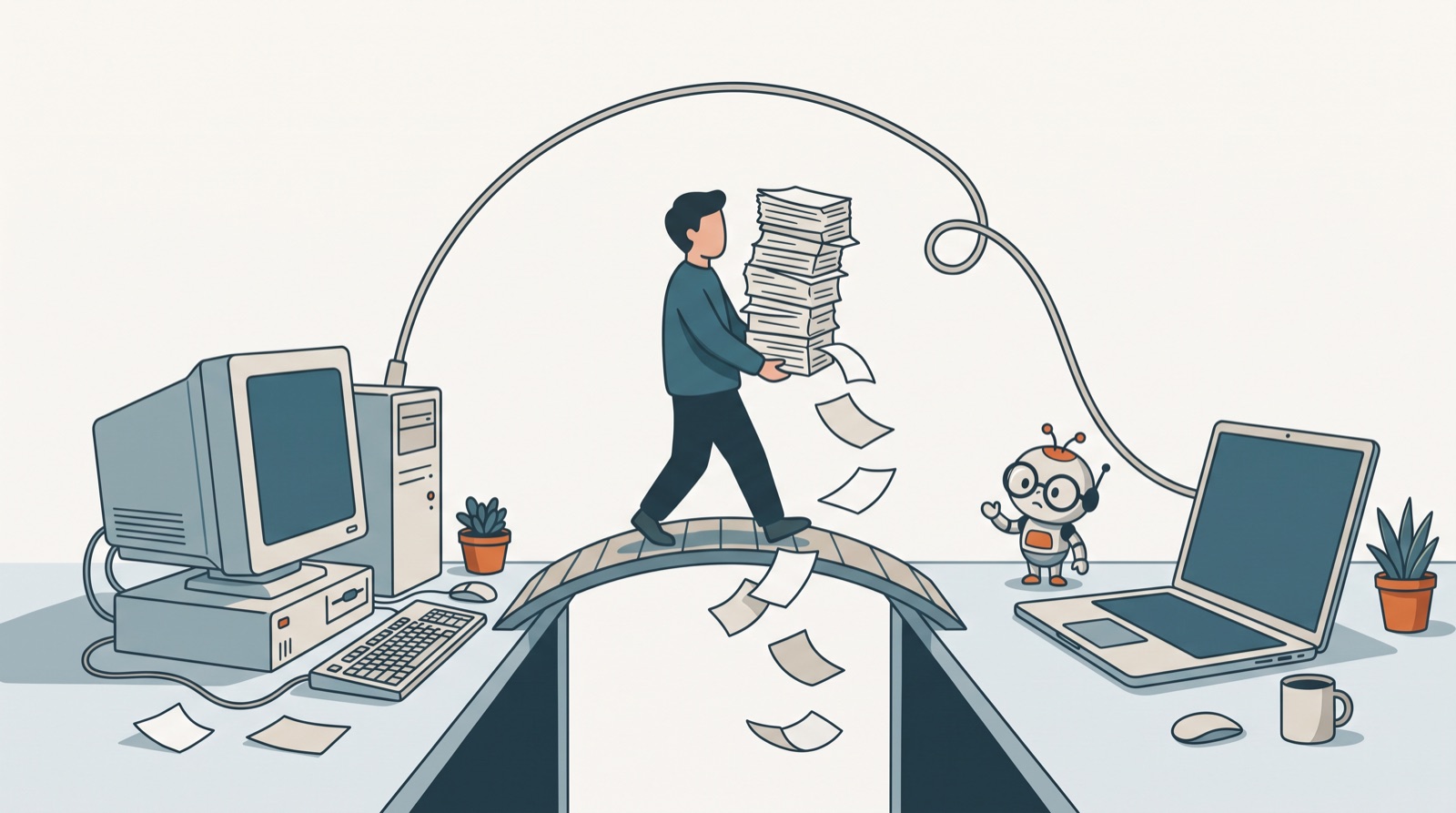
The most important moment of 2024 didn’t look important at the time. In August I asked ChatGPT for help with a passion project: a print-imposition tool in FileMaker that I planned to offer to existing and new clients. It needed a table that would display inside a WebViewer, FileMaker’s built-in web browser, using HTML, CSS and JavaScript.
I was a FileMaker developer, not a JavaScript developer. That conversation was the first sign that the wall between the two might be lower than I thought. Two years later, most of my new interface work is built that way. More on that in the 2026 posts.
What stuck
- Volume isn’t the goal. Thirty-three posts in a month proved the tools could produce. It didn’t prove anyone needed 33 posts from me. These days the plan is a few posts a week, and each one has to earn its place.
- Inspect everything. Images taught me this first, because the mistakes are visible: impressive at a glance, wrong in the details. Writing and code fail the same way, just less visibly.
- Old material plus AI beats a blank page. The best results came from feeding in my own past work, never from asking for something out of nothing.
If you’re starting here today
- Use AI to remix what you already have. Old posts, notes, talks and documents are the best raw material you own.
- Read every word inside a generated image before you publish it. Then read it again.
- Change one thing at a time when iterating on images. You’ll learn what each setting does instead of guessing.
- Try it on a small piece of your real work. One feature, one document, one report. That’s where it starts to change how you work.
Previous: 2023: Goodbye to Google, when a chat box replaced search
Next: 2025: When the prompt became the spec
Back to AI Journey Chronicles